

Álvaro García Sánchez, Guillermo González-Santander de la Cruz and Antonio González Suárez, from the Baobab team, have contributed as authors to the new Springer Handbook of Data Engineering with the chapter “Predictive Analytics Models and Machine Learning”. The handbook brings together…

Anomaly detection and data reconstruction for renewable energy
Before making any decision about a renewable energy plant, someone has to trust a piece of data: how much sunlight there is, how strongly the wind is blowing, or how much energy is being produced. That data comes from sensors installed…

When understanding AI makes the difference: explainability as a driver of trust and growth
Artificial intelligence is transforming the way companies make decisions. From banking to manufacturing, more and more organizations are using AI models to anticipate, optimize, and compete more effectively. One of the concepts that emerges when we talk about AI is machine…

Energy efficiency and data science: the essential combination for sustainability
The regulatory framework that puts on the table the 2030 agenda promotes an imminent transition to a more sustainable future. The link between energy efficiency and Artificial Intelligence (AI) is positioned as a promising fundamental alliance to transform the way we…

Artificial vision in the energy sector
Computer vision is a branch of artificial intelligence that focuses on training machines to interpret and understand the visual world in a similar way to how humans do. It uses algorithms and computational models to analyze and process images and videos,…

Machine Learning applied to active demand response
The electrical grid is an incredibly complicated system. We have internalized that when we press a button a light turns on, therefore we do not stop to think about the technical and economic challenges behind to make it possible. A priori,…
Machine Learning Automation Tools (AutoML)
What is AutoML? What tasks does it facilitate? What limitations does it have? Introduction to Automated Machine Learning technologies from the analysis of all phases of a Machine Learning project in production.
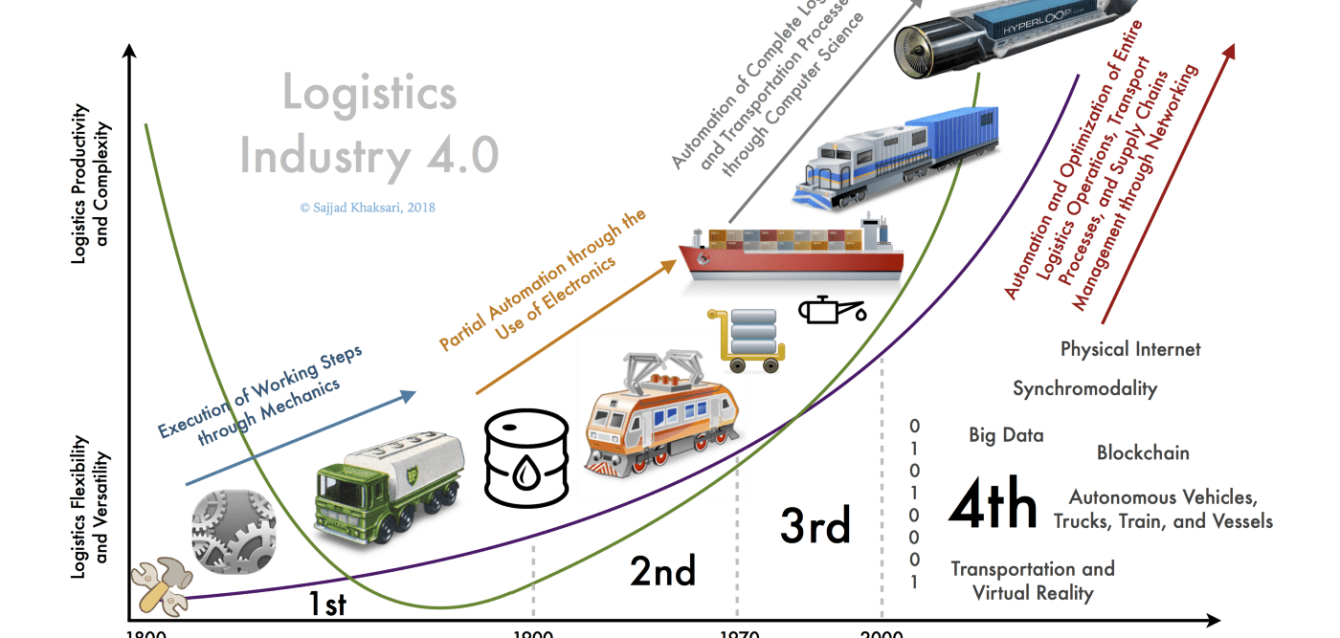
Artificial Intelligence in Logistics 4.0
The term “Logistics 4.0” was coined a few years ago in close association with the wider known “Industry 4.0” concept, which refers to successive industrial revolutions: from mechanization with steam engines, through electrification and computerization, and reaching the use of intelligent and automated systems based on data in the 4th revolution. In Logistics, the same evolution has been followed and it is now the moment in which Artificial Intelligence is beginning to be used to improve processes.


