

In the webinar “Algorithms, Optimization and Computer Vision in the Retail Sector”, organized by the Madrid City Council as part of its artificial intelligence series, several experts analyzed how AI is transforming retail and business decision-making processes.
The session brought together representatives from technology companies specialized in analytics, computer vision, and machine learning applied to retail. Among them, Pablo Castiella, CEO and co-founder of Baobab, stood out by sharing a perspective focused on the role of advanced mathematics, optimization, and prescriptive analytics as key tools for improving operational efficiency and decision-making in complex environments.
Technologies redefining retail
During the webinar, several technologies already having a direct impact on the retail sector were discussed.
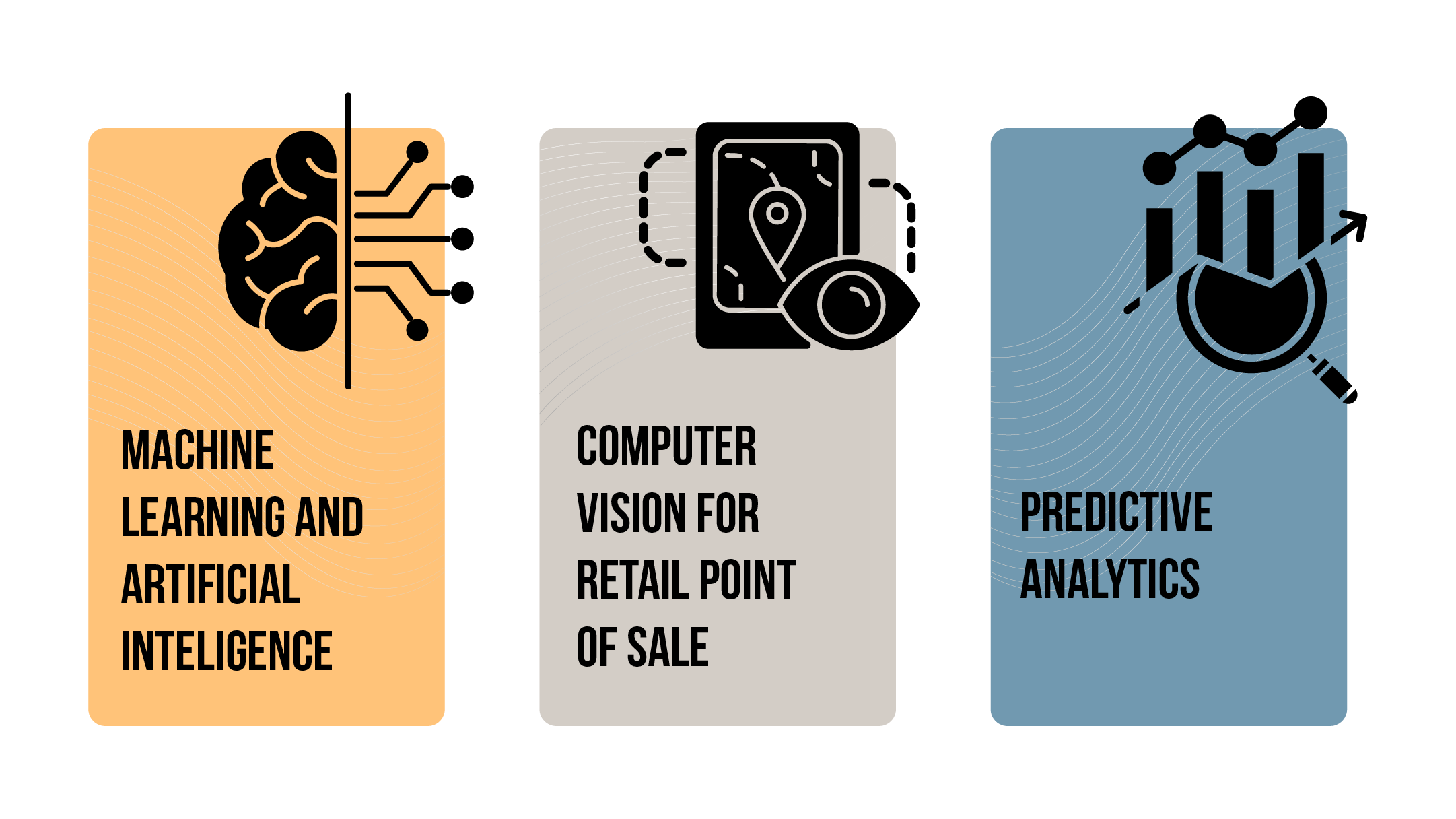
Machine Learning and Artificial Intelligence
Participants agreed that artificial intelligence has evolved from an experimental technology into a strategic infrastructure for retailers and manufacturers.
Machine learning models make it possible to analyze large volumes of information, identify behavioral patterns, and automate complex processes related to operations, logistics, marketing, and customer experience.
Additionally, the ability to process data almost in real time is enabling companies to react faster and more accurately to changes in demand or consumer behavior.
Computer Vision applied to point of sale
Another major topic of the webinar was computer vision applied to commercial spaces.
These technologies enable the analysis of in-store customer journeys, product interaction, dwell times, and traffic patterns, generating valuable insights to optimize both the shopping experience and store operations.
Computer vision is becoming an especially relevant tool for understanding how consumers interact with physical spaces and for dynamically adapting communication and commercial processes.
Predictive Analytics
The ability to anticipate demand was another key topic highlighted during the session. Thanks to predictive models, organizations can estimate future consumption, identify behavioral patterns, and improve processes such as procurement, replenishment, and inventory management.
In sectors such as retail and logistics, these predictive capabilities have a direct impact on operational costs, efficiency, and sustainability.
Pablo Castiella’s intervention: optimization and intelligent decision-making
During his presentation, Pablo Castiella explained how at Baobab AI we have spent more than a decade developing solutions based on advanced mathematics, artificial intelligence, and optimization to solve complex business problems.
Baobab was born as a spin-off from the Universidad Politécnica de Madrid with a clear mission: transferring technologies developed in academia into real-world applications capable of generating operational and economic impact for companies.
One of the key messages of the presentation was the distinction between three levels of analytics:
- Descriptive analytics, focused on visualizing and understanding large volumes of information.
- Predictive analytics, focused on anticipating future outcomes.
Prescriptive analytics, designed to recommend the best possible decision considering multiple variables and constraints.
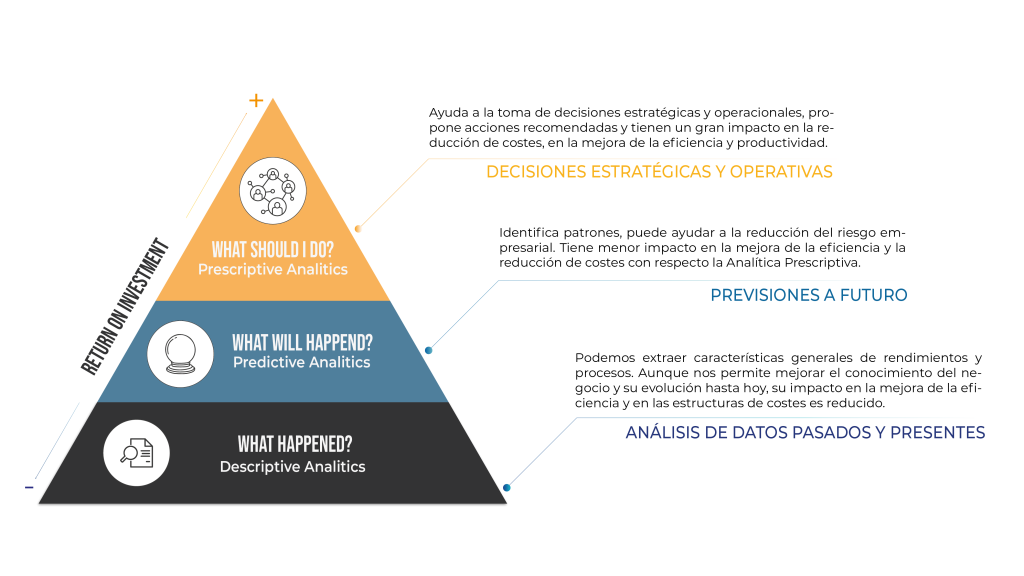
As our CEO explained, the real value emerges when organizations are capable not only of predicting scenarios but also of optimizing complex decisions efficiently and at scale.
How we apply these technologies at Baobab
At Baobab, we apply artificial intelligence, advanced analytics, and mathematical optimization to help organizations make better decisions in highly complex operational environments.
Our approach combines predictive models with optimization systems capable of analyzing thousands of variables simultaneously and generating actionable recommendations in real operational time.
Optimization Applied to Retail and Logistics
One of the main application areas is the optimization of retail operations and supply chains. At Baobab, we develop models capable of:
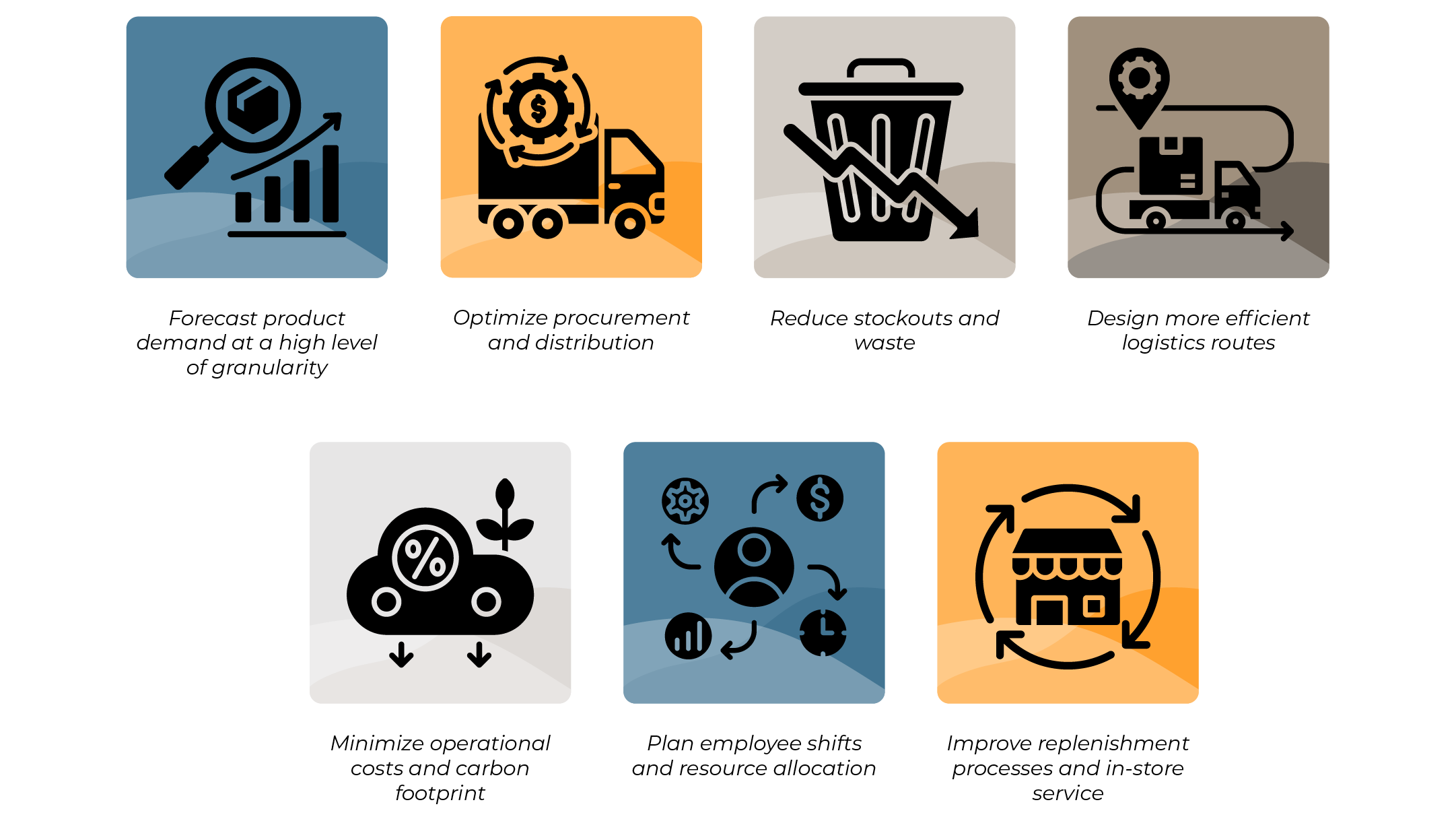
These solutions make it possible to transform traditionally complex processes into systems that are more efficient, sustainable, and data-driven.
The Challenge of Retail Digitalization
Another major topic discussed during the debate was the impact of digitalization on local commerce and the need to make these technologies accessible to small and medium-sized businesses as well.
The discussion highlighted that many of the tools currently used by large retailers can progressively be adapted to smaller businesses through more accessible models and specialized services.
The session also emphasized the importance of collaboration between public administrations, technology companies, and the business ecosystem to accelerate this digital transformation and bring advanced artificial intelligence capabilities closer to the retail sector.
Watch the full Webinar
If you would like to dive deeper into the technologies, use cases, and insights shared during the session, you can watch the full webinar here:
At Baobab Soluciones, we continue working to apply advanced mathematics, optimization, and artificial intelligence to real business challenges, helping organizations make more efficient, sustainable, and scalable decisions.


